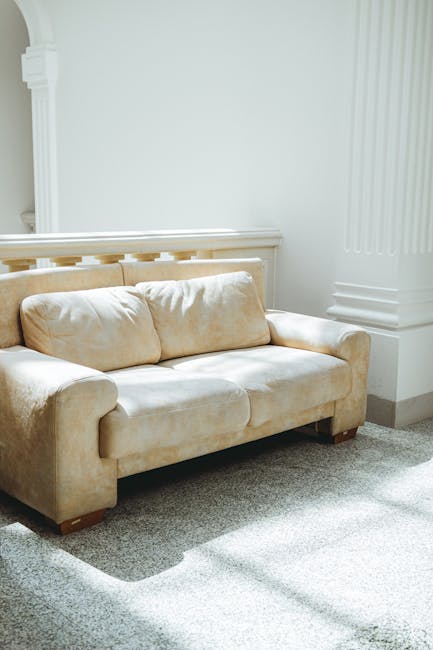
Kings Road upholstery cleaning specialists in Chelsea SW3
If your sofa has lost its colour, your dining chairs look a bit tired, or that favourite armchair is holding onto a smell you'd rather not think about, Kings Road upholstery cleaning specialists in Chelsea SW3 can make a real difference. Upholstery is one of those things people often ignore until the marks become impossible to miss. Then suddenly, every cushion seems to tell a story. The good news? With the right approach, most fabric and many leather furnishings can be cleaned safely, refreshed properly, and kept looking better for longer.
This guide explains what professional upholstery cleaning involves, why it matters in a busy Chelsea home or work space, how the process works, and what to look for before booking. It also covers common mistakes, best practices, pricing expectations, and a practical checklist so you can make a sensible decision without guesswork.
Why Kings Road upholstery cleaning specialists in Chelsea SW3 matters
Upholstery takes a beating in a way that floors rarely do. It catches skin oils, drink spills, pet hair, dust, pollen, and everyday grime. In a well-used Chelsea flat or townhouse, the wear tends to build quietly. One day the fabric just looks dull. Then the armrest feels greasy. Then, frankly, the room starts to feel less comfortable even if everything else is tidy.
That is why choosing Kings Road upholstery cleaning specialists in Chelsea SW3 matters. This is not just about making a sofa look nice for guests. It is about preserving the fabric, reducing lingering odours, and extending the life of furniture that may have cost a fair bit in the first place. A proper clean can also make a room feel brighter and fresher without replacing anything. Which, let's face it, is usually the smarter option.
There is also a practical side. In homes where people work, eat, relax, and entertain in the same living space, upholstery gets more use than people realise. Offices and reception areas around Chelsea face a similar issue: chairs and sofas create the first impression before anyone says a word. Clean upholstery signals care. Dirty upholstery does the opposite, and it does it fast.
Expert summary: Good upholstery cleaning is part appearance, part fabric care, and part hygiene. The best results come from matching the method to the material, not treating every sofa the same.
How Kings Road upholstery cleaning specialists in Chelsea SW3 works
Professional upholstery cleaning starts with inspection. A technician should identify the fabric type, check the manufacturer's care label if available, and look for existing damage, fading, or weak seams. That sounds basic, but it matters. A water-safe synthetic sofa can usually take a very different treatment from a delicate wool blend or a piece with mixed trims and piping.
After inspection comes pre-treatment. This may include dry soil removal, spot treatment on visible marks, and loosening embedded grime with the right solution. The aim is to break down dirt without overwetting the upholstery. Too much moisture can leave water marks, slow drying, or even shrinkage on the wrong fabric.
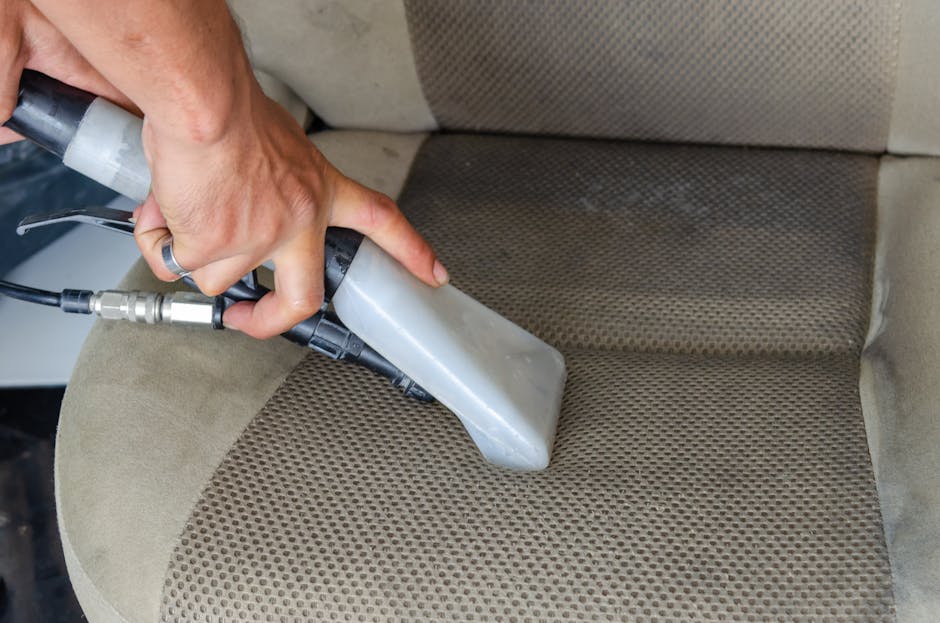
Depending on the item, the cleaning itself might use hot water extraction, low-moisture cleaning, controlled hand-cleaning, or specialist solutions for leather or delicate textiles. A skilled cleaner will adjust pressure, product strength, and dwell time to suit the material. It sounds technical, but in practice it just means the furniture is treated carefully rather than blasted with one universal method.
After cleaning, technicians usually inspect the result, tidy any remaining spots, and advise on drying time. Good airflow is often enough, though in damp weather or on thicker cushions it may take longer. A room can look and smell cleaner within hours, but the fabric should be fully dry before heavy use. You do not want to sit down too early and undo the work. A small thing, but worth remembering.
If the service is part of a larger home refresh, it may sit alongside deep cleaning or even one-off cleaning when the aim is to reset a property in one visit.
Key benefits and practical advantages
People often book upholstery cleaning for one obvious reason: the furniture looks grubby. Fair enough. But the real benefits go further than appearance.
- Better presentation: Sofas, chairs, headboards, and footstools look fresher and more cared for.
- Longer fabric life: Removing grit and residue reduces abrasion and helps upholstery wear more evenly.
- Improved comfort: Clean fabric feels better to use, especially on high-contact areas like arms and seats.
- Odour reduction: Food smells, pet odours, and stale indoor air can cling to textiles.
- Better value than replacement: Cleaning often delays the need to reupholster or replace furniture.
- More pleasant living space: A cleaner sofa changes how a room feels, not just how it looks.
In properties near Kings Road, where interiors may be carefully designed and furniture choices are often deliberate, cleaning also helps protect that investment. A high-end sofa or accent chair is not disposable. It deserves regular maintenance, same as carpets, windows, and hard floors. If you already care for other parts of the property with carpet cleaning or window cleaning, upholstery should sit in the same routine.
There is a psychological benefit too. Clean upholstery makes the whole space feel calmer. That sounds a bit soft, but it is true. You notice it when you sit down with a cup of tea and the room no longer smells faintly musty or looks shadowed around the arms of the sofa. Little things, big effect.
Who this is for and when it makes sense
Upholstery cleaning is for more people than you might think. It is not just for homes with obvious stains. It makes sense for anyone who wants their furniture to last, look decent, and feel comfortable.
You may benefit if you are:
- a homeowner wanting to freshen a living room before guests arrive;
- a tenant preparing for an end of tenancy inspection;
- a landlord turning over a property between occupants;
- an office manager maintaining reception seating or meeting-room chairs;
- a family dealing with pets, children, or frequent spills;
- someone who has recently completed decorating or building work and wants the room properly finished.
It also makes sense after seasonal changes. Early autumn, for example, is a common time for people to notice a stale smell once the windows stay shut more often. In winter, the heating can make dust and odours more noticeable. Then in spring, you suddenly see the sun highlighting every mark on the armchair. Rude, really.
If your furnishings are part of a rental, professional cleaning may help you present the property in a better condition. For more general home maintenance, some customers combine upholstery with house cleaning or domestic cleaning to save time and get a broader reset.
Step-by-step guidance
If you are booking upholstery cleaning for the first time, it helps to know what a sensible process looks like. Here is the plain-English version.
- Identify the item and material. Note whether it is fabric, suede-like, leather, or a mix. If there is a care label, keep it handy.
- Check the stains and problem areas. Point out drinks marks, food residue, pet issues, or sun fading so the cleaner can assess them properly.
- Choose the right service scope. Decide whether you need a single sofa, a few dining chairs, or a full set of furnishings cleaned.
- Clear the surrounding area. Move small items, lamps, throws, and loose cushions if possible. A bit of preparation helps the job flow.
- Confirm the method. Ask how the cleaner plans to treat your fabric. Hot water extraction is not always the answer, despite what some people assume.
- Allow for drying time. Open windows where practical, use airflow, and avoid heavy use until the upholstery is fully dry.
- Inspect the result. Check the final finish in daylight if you can. A quick look near a window often reveals what indoor lighting hides.
One useful habit is to book cleaning before a stain becomes permanent. That sounds obvious, but many people wait. Then a red wine mark, makeup transfer, or pet accident has had too long to settle. Early action usually gives better results and reduces the chance of fibre damage.
If you need a broader refresh after a renovation or messy decorating job, pairing upholstery work with after builders cleaning can help remove dust that otherwise keeps drifting onto soft furnishings.
Expert tips for better results
To get the best outcome from Kings Road upholstery cleaning specialists in Chelsea SW3, a few simple habits make a big difference.
- Blot, do not rub. Rubbing pushes spills deeper and can distort the pile.
- Test first on delicate fabrics. Good technicians will do this automatically, but it is worth asking.
- Act quickly on spills. Fresh marks are always easier to treat than set-in ones.
- Keep pets off wet upholstery. Wet fabric attracts dirt and can hold paw marks surprisingly well.
- Use protector products cautiously. Not every item needs them, and not every fabric should have them applied.
- Ask about maintenance intervals. A busy family sofa will usually need attention more often than a spare room chair.
There is one extra tip people overlook: vacuum upholstery regularly, even between professional cleans. A soft brush attachment lifts dust, crumbs, and hair before they grind into the fibres. It only takes a few minutes and helps a professional clean go further. In other words, a little effort now saves a bigger job later. Simple, but effective.
For upholstered furniture in offices or shared spaces, keeping the surrounding environment clean matters too. Dust from desks, windows, and floors will migrate. If the room itself is not maintained, upholstery gets dirty faster than it should. That is where support from office cleaning or office cleaners can help keep the whole space on a better footing.
Common mistakes to avoid
Most upholstery damage does not happen during normal use. It happens when somebody uses the wrong cleaning method in a panic. That is the annoying part.
- Using too much water: Overwetting can cause long drying times, water rings, and fabric distortion.
- Applying random household chemicals: Bleach, harsh sprays, or strong detergents can bleach the fabric or leave sticky residue.
- Scrubbing aggressively: This can flatten the pile, spread stains, and damage seams.
- Ignoring the care label: Many fabrics need specific treatment. Skipping this step is a gamble.
- Booking on price alone: The cheapest quote is not always the safest for delicate or valuable furniture.
- Expecting every stain to vanish completely: Some marks, especially old dye transfers or sun damage, may improve but not disappear entirely.
A good cleaner should be honest about limitations. That honesty matters. If a company promises miracles on every stain, be cautious. Real upholstery care is about sensible assessment, not magic tricks.
Tools, resources and recommendations
Professional upholstery cleaning uses equipment selected for the job, not just whatever happens to be in the van. That said, readers often want to know what tools are actually involved.
| Tool or resource | What it does | Why it matters |
|---|---|---|
| Vacuum with upholstery attachment | Removes loose dust, crumbs, and hair before cleaning | Stops dry soil from turning into mud during treatment |
| Fabric-safe pre-spray | Breaks down everyday grime and localised marks | Helps lift dirt without damaging fibres |
| Microfibre cloths | Useful for controlled spot treatment and wiping | Gentle on surfaces and good for detail work |
| Extraction or low-moisture equipment | Cleans deeper layers of fabric depending on the method used | Supports a more thorough result with controlled drying |
| Fabric brush or grooming tool | Restores nap and helps the finish look even | Improves the final appearance, especially on textured fabrics |
If you are comparing providers, it helps to review the company's about us information and service standards, then check practical details such as pricing and quotes. Transparent communication is usually a very good sign.
For households that prefer to keep everything under one roof, services such as sofa cleaning and rug cleaning can be useful companions to upholstery care, especially where textures and traffic levels vary from room to room.
Law, compliance, standards, or best practice
Upholstery cleaning is not a heavily regulated field in the way some trades are, but best practice still matters. In the UK, responsible providers are expected to work safely, communicate clearly, and avoid causing damage through poor handling or unsuitable chemicals. That means checking materials, using products responsibly, and following sensible risk controls when working in occupied properties.
For customers, the practical points are straightforward. A trustworthy company should be able to explain how it handles safety, insurance, payment, and complaints. Those details may feel boring until something goes wrong, and then they suddenly feel very important. If you want reassurance before booking, it is sensible to review pages such as insurance and safety, health and safety policy, payment and security, and terms and conditions.
For clients who are especially careful about data handling and complaints, it can also be helpful to look at the provider's privacy policy and complaints procedure. None of that replaces common sense, of course, but it does show whether the business is organised and transparent.
On the environmental side, some customers will care about product selection and waste handling. If so, it is reasonable to ask how materials are disposed of and whether the company has a recycling approach where appropriate. You can also review their recycling and sustainability information if that matters to you.
Options, methods, or comparison table
Not every upholstery item needs the same treatment. Here is a simple comparison of common approaches.
| Method | Best for | Pros | Watch-outs |
|---|---|---|---|
| Hot water extraction | Many synthetic fabric sofas and chairs | Deep clean, strong soil removal, good for routine refresh | Not ideal for all delicate fabrics; drying time matters |
| Low-moisture cleaning | Fabrics needing quicker drying or lighter treatment | Reduced moisture, less disruption, often faster to use again | May be less effective on heavy soil if used alone |
| Hand cleaning / spot treatment | Delicate areas, trims, small marks, awkward seams | Controlled, careful, useful on detail work | Not a full replacement for a comprehensive clean |
| Leather-specific care | Leather sofas, chairs, and suites | Protects finish and helps maintain softness | Requires the right product and approach; never assume fabric methods will work |
If you are not sure what your furniture needs, ask for an inspection before the clean begins. A proper technician should be able to explain why one method is safer than another. That explanation alone is often a good test.
Case study or real-world example
A Chelsea household booked an upholstery clean after noticing that a pale fabric sofa had become shadowed around the arms and seat cushions. Nothing dramatic at first glance, just a general tired look. The family had children, a dog, and a habit of using the living room as the main everything-space, so the sofa had seen it all.
On inspection, the cleaner identified a mix of body oils, light food residue, and pet-related dirt. The fabric was suitable for a controlled moisture-based method, but not overly wet treatment. The team pre-treated the high-use areas, cleaned the visible seat sections carefully, and paid extra attention to the armrests where grime tends to build up. The result was not just a cleaner sofa. The room looked lighter. The fabric pattern showed again. The whole place felt less heavy somehow.
What made the difference was not speed. It was method. The cleaner matched the process to the material, allowed proper drying, and explained how to maintain the result. The family then kept up with light vacuuming and quicker spill response. Nothing fancy. Just sensible maintenance, which is usually the best system anyway.
For properties where soft furnishings sit alongside general household upkeep, combining upholstery work with home cleaners or a regular cleaning company can make the overall routine much easier to manage.
Practical checklist
Use this checklist before you book or schedule a visit. It keeps things tidy and avoids last-minute surprises.
- Identify each item to be cleaned, including sofas, chairs, cushions, and footstools.
- Check fabric type and care labels where available.
- Note any stains, odours, pet issues, or sun damage.
- Ask which method is recommended and why.
- Confirm whether drying time will fit your schedule.
- Move small items and clear access around furniture.
- Ask about insurance, safety, and payment terms.
- Confirm what results are realistic for older stains.
- Vacuum the furniture lightly before and after the service if advised.
- Plan how to protect the upholstery during drying, especially in busy households.
If you are still comparing options, one careful look at the provider's service pages can help. The main thing is to choose someone who treats the furniture properly, not just quickly. Fast is nice. Safe is better.
Get a free quote today and see how much you can save.
Conclusion
Kings Road upholstery cleaning specialists in Chelsea SW3 offer more than a cosmetic refresh. Done properly, upholstery care protects fabric, improves comfort, reduces odours, and helps a room feel looked after again. That matters whether you are maintaining a family home, refreshing a rental, or keeping a professional space presentable.
The best results come from matching the method to the material, being realistic about stain removal, and choosing a provider that explains the process clearly. If you remember only one thing, let it be this: upholstery cleaning works best when it is careful, not rushed. A little patience goes a long way. And honestly, your sofa will thank you for it.
When the room feels fresher and the fabric looks quietly revived, you notice it every time you walk in. That is the kind of improvement that lasts beyond the day itself.
Frequently Asked Questions
What does Kings Road upholstery cleaning specialists in Chelsea SW3 usually include?
It usually includes inspection, vacuuming, pre-treatment, stain attention, the chosen cleaning method, and a final review. Exact steps depend on the fabric and the condition of the item.
How often should upholstery be professionally cleaned?
That depends on use. A family sofa, a pet-friendly home, or a busy office will usually need attention more often than a spare room chair. Many people judge it by visible soil, odour, and how the fabric feels.
Can upholstery cleaning remove old stains?
Sometimes, yes, but not always completely. Fresh marks are more likely to come out than set-in stains, especially if they have been treated badly at home already. A good cleaner should explain what is realistic.
Is upholstery cleaning safe for delicate fabric?
It can be, if the correct method is chosen. That is why material inspection matters. Delicate fabrics often need lower moisture, gentler products, or more controlled hand treatment.
How long does upholstery take to dry?
Drying time depends on the fabric, room ventilation, humidity, and the cleaning method used. Light low-moisture work may dry faster than deeper cleaning. It is best to ask for guidance before the appointment ends.
Will upholstery cleaning get rid of pet odours?
It often helps a great deal, especially if odours are coming from surface contamination. Deeper or older smells can be harder to remove completely. If pets are involved, mention that upfront so the cleaner can plan properly.
Should I vacuum before the cleaner arrives?
If you can do a light vacuum, it helps. Removing crumbs, hair, and loose dust means the cleaner can focus on the embedded dirt rather than the surface debris. Keep it gentle, though.
What is the difference between sofa cleaning and upholstery cleaning?
Sofa cleaning is more specific and usually refers to sofas or suites. Upholstery cleaning is broader and covers sofas, chairs, headboards, stools, and other fabric-covered furniture. In practice, the terms are often related.
Can I use home products on a stained sofa?
You can try, but it is risky. Many household products leave residue, spread the stain, or damage the fibres. If the item matters to you, it is usually safer to seek professional help rather than improvise.
Is upholstery cleaning worthwhile for office seating?
Yes, especially in reception areas and meeting rooms where appearance matters. Clean seating improves first impressions and helps the space feel more professional. It also makes a practical difference for staff and visitors.
What should I ask before booking a cleaner?
Ask about the method, drying time, fabric suitability, insurance, pricing, and what results are realistic for your specific item. Clear answers are a good sign. Vague ones usually are not.
Can upholstery cleaning be combined with other services?
Yes. Many people combine it with house cleaning, one-off cleaning, or deep cleaning to save time and refresh the whole space in one visit.
How do I know if a cleaning company is trustworthy?
Look for clear service information, sensible pricing, useful safety details, and straightforward policies. Pages such as about us and contact us are a sensible place to start if you want to understand how a company works and how to reach it.